
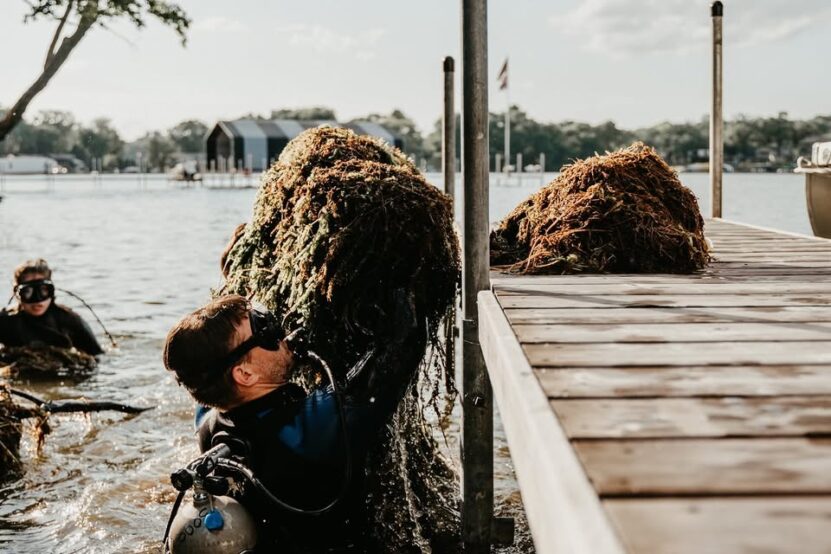
Waterfront restoration refers to the repair and improvement of shorelines, aquatic habitats, and nearshore water zones in:
- Beaches
- Lakes
- Ponds
Environmental health and recreational enjoyment both depend on stable, clean, and well-managed waterfront areas.
Property owners, municipalities, and conservation groups increasingly seek sustainable restoration methods that protect natural systems while maintaining usability.
Growing pressure from erosion, pollution, invasive species, and heavy shoreline activity has increased demand for eco-conscious restoration practices.
Restoration efforts aim to strengthen ecosystems, improve water clarity, enhance shoreline appearance, and protect swimming, boating, and fishing areas for long-term use.
Without further ado, let us talk about it in greater detail.
Types of Waterfronts & Challenges
Waterfront restoration varies depending on the type of shoreline and waterbody involved.
Beaches, lakes, and ponds each face specific environmental pressures that require careful planning, specialized equipment, and long-term maintenance approaches.
Beaches
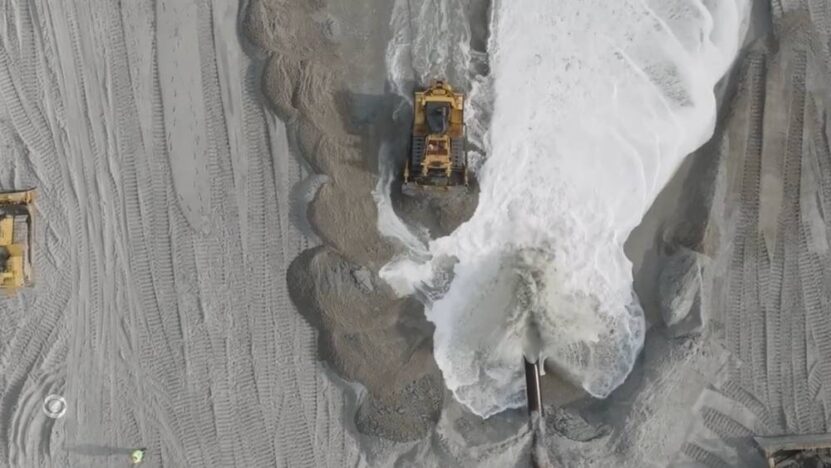
Beach shorelines experience constant stress due to wave activity, storm surges, and heavy foot traffic.
Erosion can gradually remove sand, weaken shoreline stability, and reduce habitat quality for coastal plants and wildlife.
Sediment displacement also affects the way water interacts with the shore, leading to ongoing wear and uneven shoreline profiles.
Natural buffer zones help slow erosion while supporting healthier coastal ecosystems. Shoreline stabilization methods often rely on vegetation and wave protection structures that prevent repeated sand loss.
Routine sediment monitoring provides early warning signs of accelerated erosion and supports timely corrective action.
Key factors influencing beach restoration often include:
- Persistent shoreline erosion caused by wind and wave patterns
- Habitat disruption linked to sediment movement
- Maintenance needs tied to recreational use and property preservation
Regular shoreline care supports ecosystem integrity while helping maintain waterfront value over time.
Lakes
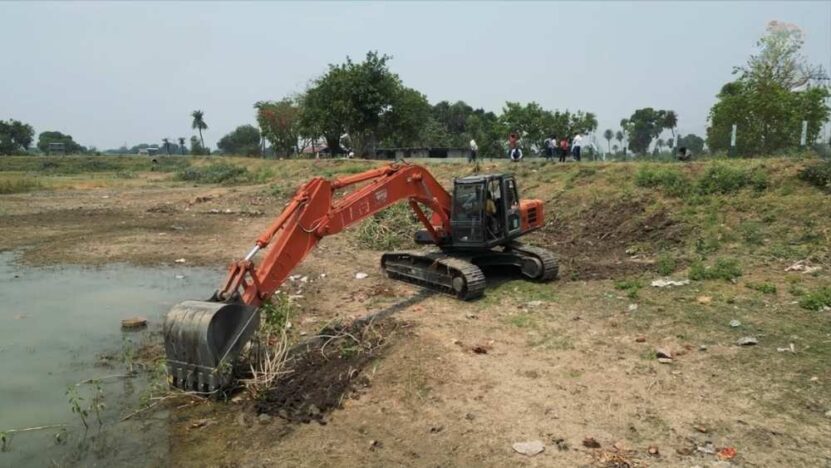
Lake restoration involves broader ecosystem management because lakes respond quickly to nutrient influx, invasive species growth, and sediment buildup.
Runoff introduces pollutants and excess nutrients that can spread across an entire lake system, increasing algae growth and degrading water clarity.
Shoreline degradation also accelerates erosion, affecting fish habitats and shoreline vegetation.
Eco-conscious restoration tools improve lake health through biological and mechanical interventions.
Aeration systems enhance oxygen circulation, floating wetland structures absorb nutrients naturally, and bioaugmentation supports microbial processes that improve ecological balance.
Lake environments often face persistent pressures such as:
- Invasive plant and mussel infestations
- Siltation that reduces depth and alters habitats
- Nutrient loading that fuels algae blooms
- Shoreline instability linked to runoff and erosion
Sustainable lake restoration methods support healthier aquatic life while reducing long-term water quality decline.
Ponds
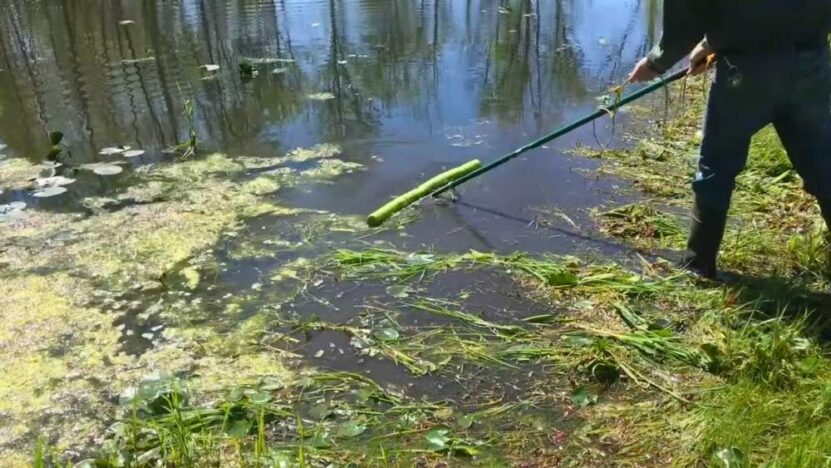
Ponds tend to fill more rapidly than larger lakes because shallow depths allow organic material and sediment to accumulate quickly.
Rainfall runoff, streams, and drainage inflow bring debris and nutrient-rich sediment that settles at the bottom over time.
Organic buildup increases the risk of algae blooms and can eventually cause oxygen depletion and ecosystem collapse.
Pond restoration often requires more frequent dredging and vegetation control efforts. Depth restoration improves water circulation, reduces excessive plant overgrowth, and helps maintain functional aquatic habitats.
Common pond challenges include:
- Rapid organic accumulation
- High susceptibility to algae blooms
- Loss of depth over time due to sediment deposits
- Need for periodic dredging and vegetation removal
Restoration work in ponds often focuses on preserving depth, controlling plant growth, and improving water clarity.
Core Services in Waterfront Restoration
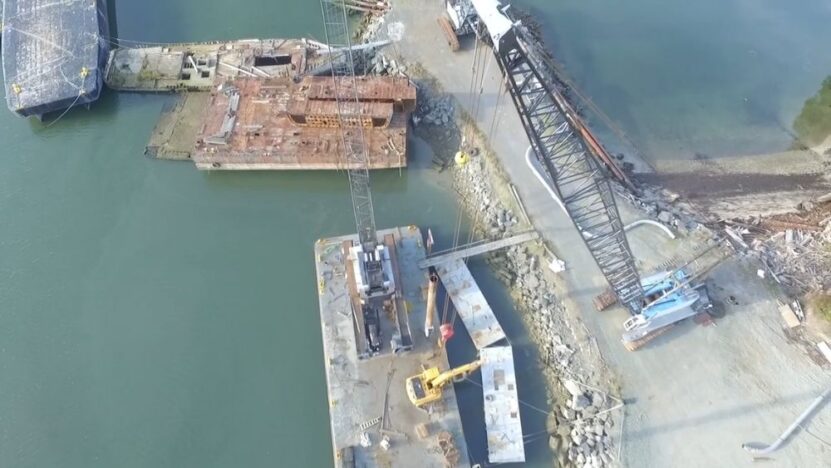
Effective waterfront restoration depends on integrated services that address vegetation, sediment, shoreline structure, and water quality.
Weed and Aquatic Vegetation Management
Aquatic weed growth can restrict swimming areas, interfere with boating, and disrupt habitat balance.
Manual and mechanical removal methods are preferred because chemical herbicides may kill vegetation quickly, but often worsen sediment buildup and create long-term ecological problems.
Diver-assisted suction harvesting removes invasive plants and underwater debris without damaging surrounding habitats.
Specialized DASH boats can extract a wide range of unwanted materials, including:
- Dense aquatic vegetation
- Rocks and submerged debris
- Zebra mussels
- Organic muck buildup
Weed harvesters and grass carp can create drawbacks such as low efficiency, poor selectivity, and re-seeding issues, making targeted mechanical removal a more reliable approach.
For high‑quality restoration tools and equipment that help manage aquatic vegetation and improve water quality, consider products from Admiral lake and pond restoration, which offers a range of specialized solutions for lake and pond environments.
Dredging and Sediment Removal
Sediment buildup reduces water depth, damages aquatic habitats, and contributes to poor water quality.
Dredging restores depth while improving ecological function and supporting long-term waterfront usability.
Spot dredging equipment reclaims lost depth with minimal disruption.
Portable dredge systems pump silt and organics through pipelines reaching up to 1,000 feet, allowing removal without extensive shoreline disturbance.
Shoreline dredging also supports fish spawning areas and strengthens ecosystem stability by removing nutrient-rich sediment layers.
Water Quality Monitoring and Improvement
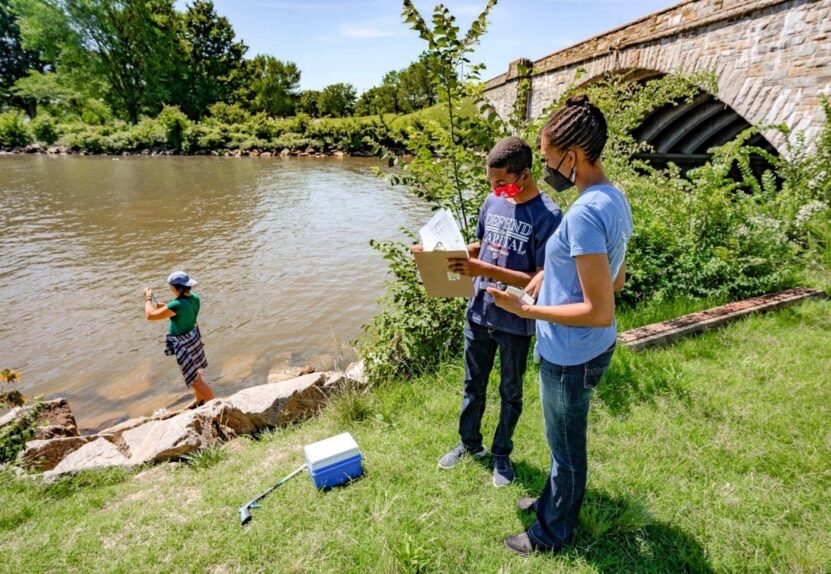
Water quality management is essential in all waterfront environments.
Regular testing helps track ecological conditions and supports early corrective action. Monitoring typically focuses on:
- pH balance
- Dissolved oxygen levels
- Turbidity and water clarity
- Nutrient concentrations linked to algae growth
Eco-conscious improvement methods rely on floating bio-islands, oxygenation systems, enzyme additives, and biological treatments that enhance water quality without harming fish or beneficial plant life.
Shoreline and Bank Protection
Erosion control protects shoreline structure and reduces habitat loss. Stable banks support aquatic vegetation, fish habitats, amphibians, and shoreline wildlife.
Riprap placement, native plant restoration, and reinforcement structures reduce erosion while limiting sediment deposition. Healthy shorelines also prevent invasive weed spread by reducing soft, silt-rich beds where unwanted plants root easily.
Restored shoreline stability improves both ecological resilience and waterfront safety.
Specialized Restoration Services
Certain waterfront sites require targeted services that address invasive species or safety hazards. Zebra mussel extraction prevents invasive spread and protects docks, boats, and shoreline infrastructure.
Hazardous object removal improves recreational usability by clearing submerged obstacles such as:
- Logs and large rocks
- Debris and unsafe materials
- Excess muck deposits
Suction harvesting and dredging support safe swimming and boating zones while maintaining environmental balance through regular inspections and site care.
Eco-Conscious Restoration Techniques
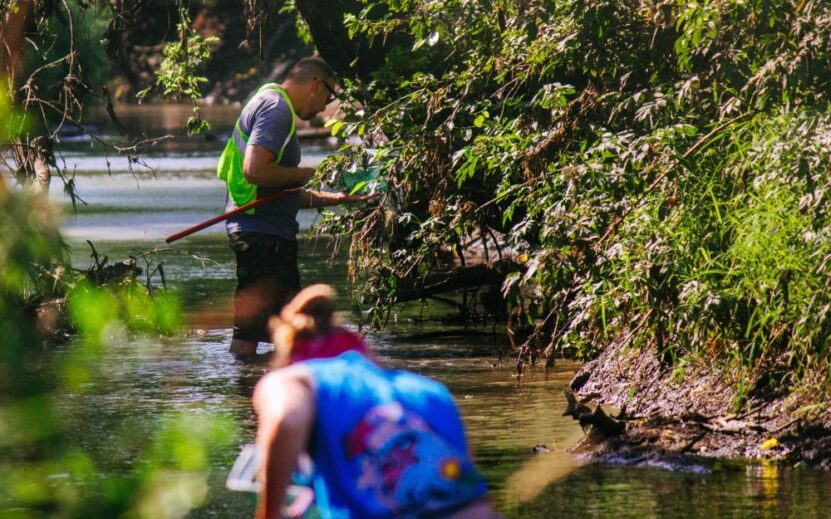
Sustainable restoration focuses on long-term ecological remediation instead of short-term fixes. Natural aeration systems improve oxygen circulation and support healthier aquatic environments.
Floating wetland systems mimic natural filtration by absorbing nutrients and improving clarity. Biological additives accelerate organic breakdown while protecting fish and shoreline plant communities.
Modern restoration equipment is designed to operate with minimal ecological disturbance while meeting local and state environmental compliance standards.
Choosing a Waterfront Restoration Team
Successful restoration requires experienced professionals equipped to manage assessment, execution, and follow-up care.
Equipment quality, eco-certifications, and permit knowledge play an important role in project reliability.
Full-spectrum restoration providers should offer flexible service options aligned with budget goals while meeting environmental standards.
State-approved teams often provide permit assistance, ensuring compliance during dredging, vegetation removal, shoreline stabilization, and habitat improvement work.
Summary
Successful waterfront restoration depends on matching solutions to specific shoreline and water conditions. Sustainable restoration tools improve beaches, lakes, and ponds while protecting ecological health.
Regular maintenance, modern equipment, and environmentally responsible practices support long-term waterfront safety, usability, and ecosystem recovery.